


Hiring a contractor to start a home reno is exciting—until they suddenly go radio silent halfway through the project.

If this has happened to you, understand you’re not alone. Ghosting is an unfortunate yet common issue many homeowners experience at some point in time.

“Ghosting is almost never the first thing that goes wrong on a project. It’s usually the last and a result of a communication failure that starts long before the silence does,” explains Michael Gerstle , partner at Gerstle Snelson, LLP, a construction law firm in Dallas.

By understanding the typical reasons contractors vanish and knowing how to handle it, you can protect your rights, finances, and sanity.

Why do contractors ghost homeowners?

Most contractors don't start a project intending to leave you hanging.

“In my experience, ghosting is usually a symptom of a larger problem. For example, they've misquoted the job and run into cash flow issues or encountered a problem they don't know how to solve,” says John Salvatore Gelfusa , president and CEO at HomeWorks cgo Inc. in Macomb, MI.

Instead of having a difficult conversation with the homeowner, they decide to disappear.

Gerstile, whose firm represents both contractors and homeowners, has seen communication issues from both sides.

“It’s often a talented builder who’s a poor communicator. Sometimes when a project hits a snag or delay, going quiet feels easier than delivering bad news,” Gerstle explains. 

On the homeowner’s side, the trouble usually starts before anyone breaks ground: a vague scope of work, no written timeline, and a handshake idea of what “finished” means. 

“When those expectations don’t line up, the contractor can feel frustrated or attached and is likely to disappear,” Gerstle adds.
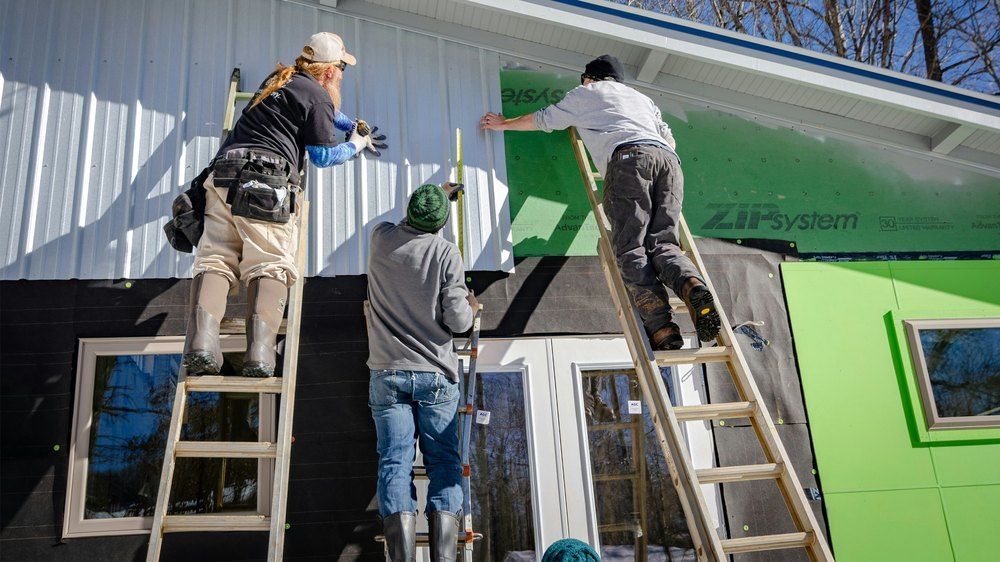
siding contractors working on a new home construction
Siding contractors working on a new construction home in Black Mountain, NC. (iamjensrb/Unsplash)

What to do if it happens to you

When a contractor goes silent, your first instinct may be to panic or lawyer up. 

“While hiring an attorney might be required to preserve your rights, it’s not always necessary,” says Gerstle.

Instead of spending days calling and texting the contractor angry messages, focus on the following:

Document everything

A paper trail is your best friend in a dispute. If it isn’t in writing, then a jury or arbitrator will have to decide whose version of events—the homeowner’s or contractor’s—is more believable. 

“Move every conversation to email or text, recap phone calls in writing, and take time-stamped photos of where the work stands,” Gerstle explains.

Check the contractor’s standing

Some states require contractors to have licenses—others do not. 

If yours does, verify if your contractor is licensed and in good standing through your state's contractor licensing board. Then do some research. 

Social media can be a useful resource in determining if other homeowners have taken action against the same contractor and which path has been most successful. 

“Whether that is filing a complaint with the licensing board or with a professional organization in which the contractor is a member, others have likely tried some of these approaches and may already be sharing their tales of failure or success on social media or online forums,” Gerstle says.

Send a written notice to the contractor

Every state is different regarding whether a written notice must be sent and what it must include. 

“Some states have right to cure statutes, meaning the contractor has a right to inspect the issues and make repairs or complete the work within a specified time. Other states do not have such statutes,” Gerstle says.

Knowing what your state requires or allows will allow you to prepare a letter to meet the requirements of the statute while conveying to the contractor that you want the work completed.

In some situations, you may need to retain counsel to either preserve your rights or assist in working through the right-to-repair statutes. 

“However, threatening to file suit in the notice letter may have the exact opposite effect that you intend—rather than gaining the contractor’s attention, it may scare them off completely,” adds Gerstle.

Understand your rights and when to walk

Terminating the contract is an option, but you should weigh the pros and cons carefully before going this route.

If the contractor is not responding at all—truly ghosting you—termination after written notice may be your only option.

“Many times, contracts spell out what you need to do to terminate a contract, whether that involves giving additional written notice or meeting specific criteria. It is important to read the contract carefully before terminating,” says Gerstle.

Also, if you live in a state with a right to repair statute, the statute may impose additional requirements, like mediation, before or after termination. 

If the contractor has responded, but you do not like the response, you should consider whether terminating the contract will make your life easier or harder.  

“While not ideal, sometimes it is easier to work with a contractor to complete the work than to terminate it and then face increased costs and delays to bring on a new one,” Gerstle explains.

How to prevent this issue in the first place

Fortunately, there are steps you can take to reduce the risk of a contractor ghosting, including:

Opt for milestone-based payments

Tie each payment to a completed, inspected phase of work rather than the calendar. Otherwise, the contractor may be less motivated to stick to the schedule and perform their job as they promised. 

Be mindful of the deposit 

Keep your deposit modest and try not to pay a deposit that is disproportionate to the overall contract value. 

If you’re selecting expensive finishes, for example a large upfront deposit with which the contractor will purchase the materials might be necessary. 

However, there are opportunities, such as making sure title transfers to you when the expensive materials are delivered to the property, to leverage your deposit.

“In many instances, there is little proportion between the size of the deposit and the overall budget. In those situations, you should beware of paying too much upfront as it gives up your leverage to make sure the contractor finishes its work,” Gerstle explains.

Implement retainage

Hold back 10% of the total cost until the job is fully complete. That last check can keep a contractor accountable and motivated to finish. 

“In some states, it’s also required that owners hold back a certain percentage of each payment drawn as ‘retainage,’  says Gerstle.

Don’t pay in cash

“The best advice I can give having both lived this personally and seeing it time after time in my litigation practice, is to never use cash to fund a project,” says Jacqueline Salcines , owner and founder at Jacqueline A. Salcines, PA in Coral Gables, FL.

Even if you have the cash, get a loan. You don’t have the necessary safeguards in place like banks do.

“For example, banks will require signed and notarized releases from all the subs prior to allowing the contractor to make a draw and get paid. This removes the possibility of any subs filing liens against the property due to nonpayment,” Salcines explains.

Outline a defined scope and timeline

Spell out what’s included in the scope of work as well as a start date, and completion date. 

“Leaving the schedule blank or not having a defined completion date hands control of the project’s schedule to the contractor,” Gerstle explains.

Ask for proof of insurance and lien waivers

Require proof of a current contractor’s liability insurance policy and get a lien waiver with each payment you make. 

“In some states, there are pre-set forms for lien waivers and protections for homeowners against unpaid subcontractors and suppliers if the owner withholds a certain percentage of each draw request,” Gerstle explains.

Since each state slightly different, check the laws for the state in which your property is located to determine how to proceed.

Request warranties and permits

Get written warranties on workmanship and materials, habitability, and repairs. 

Note that not all warranties are created equal, and not all warranties provide the same warranty for every part of the project. 

“Some contractors offer two-year warranties on HVAC systems, six years on structures, and one year on workmanship. If your contract does not provide a warranty or is vague about what is covered and for how long, consider inserting a warranty obligation that fits your needs,” Gerstle explains.

By Anna Baluch August 24, 2026
Homeowners prepping for the fall allergy season may want to start prepping early: The forecast calls for longer season in 2026.
By Dina Sartore-Bodo August 21, 2026
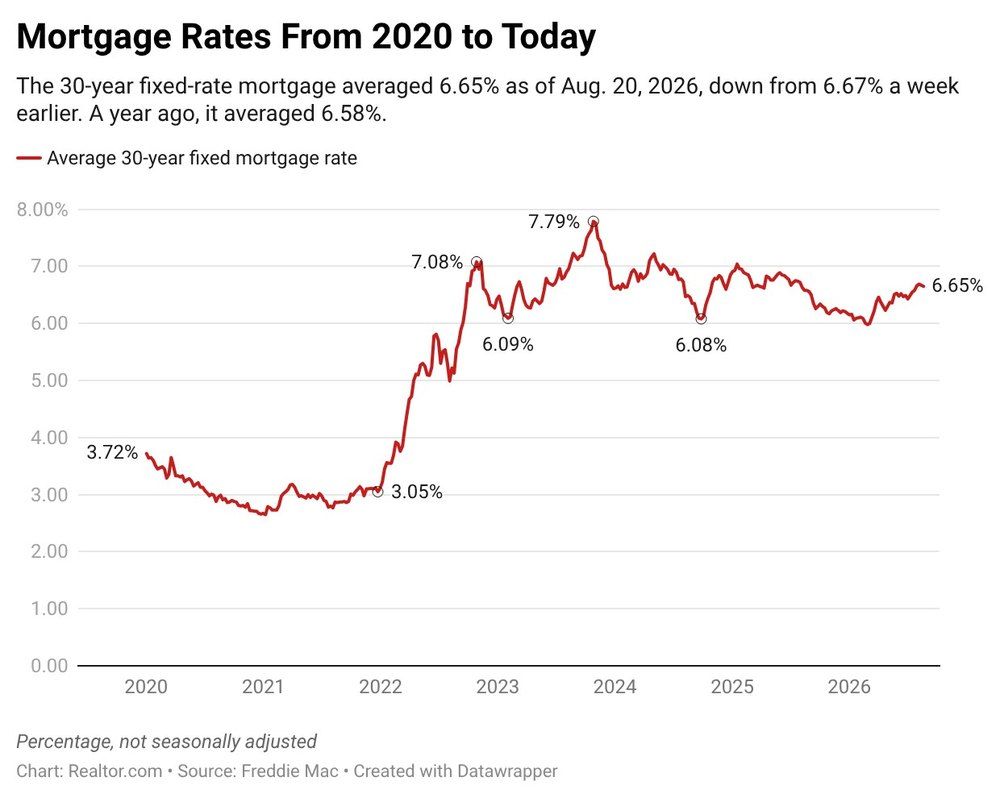
Rates took another minor dip this week, yet remain steady at levels not seen in over a year, much to buyers dismay.
By Angela Colley August 20, 2026
Movers draw the line on some things, and if you don’t know about them ahead of time, you might end up out of luck on moving day.
By Les Masterson August 20, 2026
Moving all your stuff from one house to the next is often grueling, so we've created a list of moving day must-haves.
By Anna Baluch August 20, 2026
In the modern age, the first utility necessary in the home is undoubtably the internet.
By Margaret Heidenry August 19, 2026
Are you relocating? Check out these missteps other people make so you can have the easiest of transitions.
By Margaret Heidenry August 19, 2026
You moved! Yay! But before you get too comfortable, make sure to do these things soon after moving into your new home to start things off on the right foot.
By Margaret Heidenry August 19, 2026
Moving can be pricey—so check out these money-saving tips to lower your costs.
By Anna Baluch August 19, 2026
As the kids head back to class, take two minutes to reset your thermostat for the new season. It could save you tons of money.
By Eric Goldschein August 19, 2026
Bilt is releasing a new Neighborhood Concierge perk to its service: integration with your Equinox wellness membership.
By Ashley Harris August 17, 2026
If you’ve started researching USDA loans, you’ve probably noticed something right away: The rules can seem a little unclear at first.
By Ashley Harris August 17, 2026
For many homebuyers, especially first-time buyers, affordability is one of the biggest challenges. That’s where USDA loans can help.
By Ashley Harris August 17, 2026
Manufactured homes offer affordable homeownership. Pairing one with a USDA loan makes buying easier in rural and suburban communities.
By Angela Colley August 17, 2026
Even if you have the cash, you're not always an automatic lock for that dream rental. You might want to keep your mouth shut with the landlord about these things that could unwittingly sabotage your chances.
By Eric Goldschein August 14, 2026
If you’re curious what you can do to maintain privacy and your flowerbeds without legal issue, there are some guidelines.
By Anna Baluch August 14, 2026
Unplugging your phone charger won't save much energy. The big power drains are coming from every level of your house.
By Allaire Conte August 13, 2026
In Youngstown, 1 in 3 homeowners is behind on property taxes. The state, citizens, and auditors all have plans to help—but no fix yet.
By Anna Baluch August 13, 2026
Spotting issues with a home before you make a offer is a smart strategy, but buyers could be overlooking a very costly repair.
By Allaire Conte August 12, 2026
Massachusetts has now taken 11 of 13 homes for the new Sagamore Bridge, including a couple’s newly built Cape Cod retirement home.
By Anna Baluch August 10, 2026
Social media is littered with flashy videos showing how to clean your bathroom. But what might look cool doesn't always get the job done.
By Anna Baluch August 6, 2026
If you want to buy a starter home, the listing price is just the start of the financial investment, depending on the needed repairs.
By Anna Baluch August 4, 2026
Dishwashers, washing machines, and air conditioners are all modern home essentials—that your landlord can deny you if they so desire.
By Anna Baluch July 30, 2026
People are living longer, meaning retirees fear they're spending their nest eggs too quickly. But spending money on your home has benefits.
By Cassidy Horton July 25, 2026
Buying the "worst house" in the best neighborhood can still pay off, but only if the numbers work. Here's how to tell if it's a smart idea.
By Anna Baluch July 24, 2026
While popular overseas, robot mowers are starting to make their way stateside. But the big question is—are they worth the STEEP price tag?
By Margaret Heidenry July 23, 2026
Buying a foreclosed home can be a good way to score a deal while house hunting. Here's how a foreclosure sale works.
By Sally Jones July 21, 2026
The first starter homes were small two-bedroom models with few frills. Today, these homes are hard to come by. Here's why and where to find one.
By Anna Baluch July 20, 2026
A kitchen remodel is universally considered a good investment for homeowners, but it does come with some risks to your insurance.
By Anna Baluch July 17, 2026
Finding a kid who will mow your lawn for cheap may be a thing of the past—or it may be finding its footing again.
By duda October 16, 2023
A little elbow grease; a big difference! By: Leanne Potts Beautiful you-can-do-it inspirations for easy DIY projects. As anybody who’s been inspired by HGTV can tell you, DIY home projects on TV look amaaaazing. But DIY renovations in real life: kiiiinda the toughest thing ever. And, yet, these rookie craftsmen did beautiful, jaw-dropping work that will totally inspire you. Check out these easy DIY projects for your home: #1 Pinterest-Worthy DIY Window Seat An empty recess in a room is a ripe spot for a DIY project, as home improvement blogger Britt Kingery can tell you. She and her husband, Justin, built a window seat so ridiculously Pinterest-worthy you’ll want to make one for yourself (like, right now). It’s a roomy 10-foot beauty, so you can seat a houseful of guests without dragging chairs all over the place. And (bonus!) there’s storage underneath for stashing lots of stuff out of sight. You can custom-create your own for about $250 if you’ve got a few essential DIY tools. Or you can do an Ikea hack to get the same result. Just attach one of their long, horizontal storage systems to your walls. Then add cushions and preformed molding for the same custom look. The big reveal doesn’t happen overnight, and a renovation almost always looks worse before it looks better. Britt Kingery, home improvement blogger #2 Miracle Makeover With Just Paint, Stain (and Patience) “The Brady Bunch”-orange wall and abused floors in the before photo are homely enough to strike you blind. But what a miracle paint, sanding, and stain can do! Lighter shades on the walls, trim, and floor reflect natural light, making the space so much brighter. And for very little money (about $150). The key to such an amazing transformation, Kingery says, is to be a tortoise, not a hare. Sanding, taping, patching holes, and waiting on stain, paint or polyurethane to dry takes care and patience if you want professional-looking results. “The big reveal doesn’t happen overnight, and a renovation almost always looks worse before it looks better.” #3 Instant Open Floor Plan Cramped, dark kitchens are so very 1981. Sarah Lemp of the “All Things With Purpose” blog turned her dated kitchen into an open, light-filled space that feels and functions like a larger room. The cost? $300. Yep. For less than the cost of a set of countertop canisters at Williams Sonoma, Lemp worked magic. The biggest fix? She just removed a set of overhead cabinets that blocked light and the view into the dining area, making an instant open floor plan. Then she turned to paint, the budget remodeler’s friend. She used a soft griege (designer-speak for grayish beige) for the walls of the kitchen and dining area. She painted the remaining upper cabinets white, and the bottom ones dark gray. “I love the look of white cabinets, but figured a darker color was more kid-friendly,” she says. Lemp skipped the requisite subway tile backsplash and went with peel-and-stick shiplap instead. “It was easier and cheaper,” she says. #4 Brighter Bedroom With Paint and Wood This may be an ugly room, but we’re not sure because it’s so dark all we can see are cheap blinds and a poofy valance that hasn’t been fashionable since the Olsen twins were toddlers. It needed major help. Ashley Rose and Jared Smith of the blog “Sugar and Cloth” pulled off a weekend makeover by painting the walls a lighter color and replacing the window treatments with wispy, white drapes that practically pull sunlight into the room. A pair of wall-mounted reading lamps added a second layer of light, because a lonely overhead fixture can’t light the whole room all by itself. And that wall behind the bed? It’s strips of reclaimed wood with an adhesive backing. Peel, stick, and you’re done. No nails. No glue. And just one tool: a level to make sure you stick the wood strips in a straight line. Awesome. #5 An Easy-Peasy Backyard Patio Dirt’s ugly. It’s also a pain, turning into mud when it rains, dust when it doesn’t, and sneaking into your house on the feet of dogs and kids. Covering it with a paver patio is a great fix. Chelsea Foy of the blog “Lovely Indeed” built this one in a neglected flower bed in just 10 hours. She used patio stones molded to look like several individual bricks, because leveling one large stone is tons easier than leveling a bunch of bricks. Those arcs of large river rocks just off the patio make a natural-looking transition between the factory-perfect pavers and the rest of the yard. They’ll also give you less lawn to mow or flowers to tend. #6 Fancy Wall Molding for a Bargain Price Wall molding makes a room look so custom, so finished, so much better than boring old drywall. But it costs around $25 a square foot just for the materials. Mysha Barton of the blog “Remington Avenue” pulled it off along her stairs for just $30 — total. The secret? She used MDF (medium density fiberboard, aka fake wood) to keep it cheap, and didn’t mount it in the traditional way with board panels on the wall. Instead, she put thinner “chair rail molding” directly on the wall, and painted everything white, including the wall to get that rich look of molding. The toughest part was cutting all those angles, Barton says. She got it done with a miter box and a handsaw. “My advice is to use scrap wood to practice your angled cuts before taking on your expensive molding pieces.” Barton did this project in just eight hours with three small children in the house, so even if 10th-grade geometry made you cry, you can do this. #7 A Space-Saving Workbench A DIY workbench is a gateway project, one that can lead you to harder projects and possibly, a home improvement addiction. Make this workbench your very first project and you’ll have room to do scads of projects — money-saving ones. It’ll fit in a small space because it’s actually a door mounted on door hinges, so you can fold it flat against the wall when you’re not using it. Be sure to buy a solid wood door, not a hollow one, so it’s sturdy enough to stand up to years of projects.
By duda October 16, 2023
Always feel confident it's your dream home. By: Lynn Ettinger You can make a successful offer on a home even in a competitive market — with the right information and help. When you’re house hunting, the pressure of competition can move you from “Hmm, I like that, but it’s too pricey,” to “I have to have that!” You think, so what if paying for this house will put me way over budget? I can cut back somewhere else, right? But that kind of thinking can get you into trouble. Trouble that’s totally avoidable. Whether you’re in the middle of a home bidding war or facing down a list of must-haves, don’t lose sight of your budget and the risks. That way, you can own a house without home buyer’s remorse. And you’ll have money left to enjoy things like new furniture, entertainment, and just plain having fun. Who Has Home Buyer’s Remorse and Why? A competitive real estate market can set buyers up to purchase a home that’s either beyond their budgets —sometimes hugely beyond — or doesn’t meet their needs, according to a 2021 survey by Bankrate and YouGov. The survey found that recent home buyers, including 64% of millennials, had regrets about their home purchase. The top reason? They were unprepared for maintenance and other home ownership-related costs. On top of that, 13% percent of millennials said they think they paid a higher sales price than they should have. “Things in homes always break down, so people should put aside a budget for anything that will need fixing,” says Lawrence Yun, chief economist at the National Association of REALTORS®. “A rule of thumb is to anticipate 1% or 2% of the home price for potential maintenance,” he explains. “So, for a $300,000 home, that means setting aside $3,000.” One reason home buyers may be tempted to go over budget is they’ve been influenced by the beautiful homes on TV, according to an NAR report on home staging. “The shows can create unrealistic expectations for the home buying process and how homes should look,” says Brandi Snowden, NAR director of member and consumer survey research. In time, buyers can view features that used to be luxuries as necessities. They believe everyone has them and they should too. One solution: Work with a REALTOR as early as possible in the process. “Make sure your agent knows your budget, so they can help you set expectations and stick to them,” she advises. How to Navigate House Hunting in a Competitive Market In addition to pressure to exceed their budgets, buyers are facing hurdles like these five: 1. Requests to Waive Contingencies Tamara Suminski, a real estate agent at Beach Real Estate Group in Manhattan Beach, Calif., is seeing not only bidding wars but also sellers wanting buyers to waive contingencies. “With an appraisal contingency, if the appraisal comes in low, the buyer has choices. They can choose to try to renegotiate with the seller, bring in the difference, or cancel. When they remove that contingency and its protection, and if the home doesn’t appraise at the right level, the seller is not very likely to renegotiate with them. And the buyer has waived their right to cancel. If they cancel anyway, they’re risking their deposit.” Some buyers are also waiving contingencies related to home inspections. These investigations are an opportunity to have a home inspector view the home based on disclosures and for the buyer to use findings as a bargaining tool, Suminski says. Eliminating these protections can end up costing money for buyers. And the more offers the buyer writes and loses, the more risk they will tolerate. So, they may waive contingencies and regret it later, says Suminski. Talk to a buyer’s agent who will guide you through this and explain the risks of removing protections and unknown variables, she advises. 2. Speed Showings and Decisions Bryan Yap recently bought a home in an expensive and highly competitive market — Orange County, Calif. He found that with the pandemic, each showing lasted only 15 minutes. That was one of the biggest hurdles. “We’d see three, four, or five homes in one day. It’s hard to keep track of what you like and don’t like with each house. What I would do differently is take notes immediately after viewing a home. If you’re able to prepare beforehand, create a list of wants and requirements in priority order. Immediately after seeing each home, rank it based on the list.” 3. Focusing on the Top of Your Price Range “If you’re looking in a micromarket where listings are achieving multiple offers and homes are going above asking price, don’t set your on the houses at the top of your price range,” Suminski says. If $300,000 is your upper limit, look at houses priced at $250,000 or $275,000. Otherwise, you’re going to be outbid from the gate every time.” That was the process Yap used when he was looking. “I would look for homes $25,000 under my max budget. I went on Zillow and looked at homes that were sold recently and tried to calculate the average over-listing price those homes were being sold for and factor that into my offer price.” 4. The Need to Compromise Yap’s must-haves were three bedrooms, two baths, and being closer to the city center of Anaheim. “I was able to get three beds, two baths, but I did have to compromise on location. I also had to compromise on price, which was doable because I could still afford it. To compete with all the potential buyers, I knew that we had to either offer an over-list price or remove some contingencies.” Suminski advises adjusting your search outward geographically, even if it means a longer commute. Buyers might also have to compromise on property types and features. In addition, they should consider doing some DIY projects instead of wanting everything to be move-in ready. “They may have to be willing to look at townhouses instead of single-family homes or install carpet and paint on weekends.” 5. Information Overload In the two years before he started searching for a home, Yap did a lot of reading. “It was a massive plan I had to come up with and stick to so that I’d be able to afford buying a home.” Because of how hot the Orange County market is, agents scheduled showings as soon as a house was listed or showed “coming soon” status. Yap treated the home search as “almost a second job,” using lunch breaks and evenings to check emails, do online searches, and text his real estate agent about what he wanted to see. “I had to make a lot of sacrifices. People wanted to set plans with me for the weekend, but I said, ‘Sorry, I have to go view homes that day.’” He primarily credits his real estate agents, including Sumiski, for keeping him informed. “They made all this possible. I learned a lot from them.” Some agents, like Suminski, hold an accredited buyer’s representative designation but usually work with sellers as well as buyers. “An [agent with an] ABR has taken extensive buyer’s representation training,” Suminski says. “They’ll provide education to buyers so that they’re learning as much as they can about the market, including the risks involved with different negotiations. If buyers are going to shorten terms or remove protections, they need to be well informed about the pitfalls.” Learn from Experiences That access to information and guidance will help buyers making an offer on a home especially in a competitive market. “Today’s buyer has seen and written offers on many properties before they get their offer accepted,” Suminski says. “That’s common across the country. Each is a learning opportunity for buyers about what information they might need to be researching so they can move more quickly.” When you act on advice from recent buyers and agents, you can stay well informed and get good results even in a tough market. And that’s the best way to prevent home buyer’s remorse.

By duda October 16, 2023
In today's hot market, know how to make sure you get the home of your dreams. By: HouseLogic You and your agent are going to use everything you’ve learned to seal the deal. Here’s the dream: Your offer is perfect, you don’t need to negotiate, and you can spend the next few weeks addressing more pressing home-ownership questions, like “Why is it called wainscoting?” and “Do I want a new couch in blush or emerald green?” And it could happen. Many sellers accept the best offer they receive, and for a variety of reasons. But sellers are also known to reject offers for a variety of reasons. Or make counteroffers. This is especially likely if you bid low, or when you’re up against multiple competing offers. If you do receive a counteroffer, it’s up to you to decide whether you want to accept the new contract, negotiate the terms, or walk away. In cases such as these, look to your agent. He or she is your spirit guide. If you decide you want to negotiate — that is, make a counteroffer to the seller’s counteroffer — your agent will use their negotiating skills to help get you the best deal. This is what agents do every day. But you’re not just going to sit there. If you understand what negotiating tactics your agent may deploy — they depend on the local market and your position — you can back them up. And cheer them on. Here are eight rules every buyer should know before they — and their agent — start negotiating: #1 Act Fast — Like, Now When you receive a counteroffer, you should respond quickly — ideally within 24 hours. The longer you wait, the more space you leave for another buyer to swoop in and nab the property. Also? If a seller senses hesitation, they may decide to withdraw their counteroffer before you even have a chance to respond. #2 Raise Your Price (Within Reason) While you obviously don’t want to overpay for a house, you may have to up the ante — especially if you initially made a lowball offer. Lean on your agent’s expertise to determine how much money you should add to the sales price to make it more enticing to the seller. Then, through their powers of persuasion, your agent can make the counteroffer look even more attractive by pointing out similarly priced “comps” — recently sold homes in your area that are comparable in terms of square footage and features. As your agent negotiates, it can feel like things are escalating quickly. It’s stressful. You may feel a sudden urge to do whatever it takes to win. Before you go overboard, there are two things you must keep in mind: You can’t exceed the monetary confines of the pre-approved mortgage you received from your lender. You shouldn’t overextend your budget. Because your counteroffer has to be an amount you’re comfortable spending on a home. You want that new house and to keep living your life. Plus: You’re not out of options yet. #3 Increase Your Earnest Money Deposit Increasing your earnest money deposit (EMD) — the sum of money you put down to prove to the seller you’re serious (i.e., “earnest”) about buying the house — is another way to show the seller you have more skin in the game. A standard EMD is typically 1% to 3% of the sales price of the home. Making a counteroffer with a 3% to 4% deposit could be what you need to persuade the seller to side with you. #4 Demonstrate Patience About Taking Possession Depending on the seller’s timetable, changing your proposed possession date — the date you take over the property — could butter them up, too. If the seller wants to stay in the home for a few days after closing, try offering a later possession date. You could also draw up a “rent-back” agreement, meaning the seller pays you rent for staying in the home for a set period of time after the closing date. #5 Let Go of a Few Contingencies — With Care Want to give your counteroffer an even bigger boost? Reduce the number of contingencies you’re asking for. It’s your way of saying, “Hey, look, I have fewer ways to back out,” which gives the seller more reassurance that the deal will close. But be selective: Some contingencies are too important to give up. A home-inspection contingency — the right to have a home inspection and request repairs — gives you an out if you spot major problems with the home (and protects you from buying a total money pit). You might waive a termite inspection if you’re in a state where the risk is lower. But ultimately, waiving contingencies depends on your market, your loan program requirements, your risk tolerance, and the circumstances of the house in question. And if you waive contingencies and then you find a problem, the seller isn’t responsible for fixing it. #6 Ask for Fewer Concessions At a mortgage settlement, home buyers have to pay closing costs for taxes, lender’s fees, and title company fees. Closing costs vary by location, but you can expect to shell out between 3% and 4% of the home’s sales price. The seller pays an additional 1% to 3%. (Smart Asset and Nerdwallet have simple calculators you can use to get a rough idea of what your closing costs might be.) When making an initial offer, you have the option to ask the seller for concessions — a settlement paid in cash to help you offset your share of the closing costs. (This move is less feasible if you’re going up against multiple offers.) Concessions effectively lower the seller’s net proceeds from the sale. Making a counteroffer that removes the concessions you would have otherwise received at settlement puts cash back in the seller’s pocket — and can improve your bid. #7 Pick Up the Cost of the Home Warranty Sometimes sellers offer prospective buyers a home warranty. This is a plan that covers the cost of repairing major home appliances and systems, like the air conditioner or hot water heater, if they break down within a certain period (typically a year after closing). A basic home warranty costs about $300 to $600 a year, according to Angie’s List. If it seems like waiving the home warranty can sweeten negotiations, but you still want the peace of mind of having one, tell the seller they don’t need to cover it — then buy it yourself. Just keep in mind, whether you or the seller buy the warranty, you’ll need to pay the service fee (typically between $50 and $100) if something does, indeed, need to be repaired while under warranty. Also, FYI: A home warranty is entirely separate from homeowners insurance. Homeowners insurance — the security blanket that covers your home’s structure and possessions in the event of a fire, storm, flood, or other accident — is required if you take out a mortgage. It can cost anywhere from $300 to $1,000 per year. #8 Know When to Walk When negotiating with a seller, trust your gut — and your agent. If he or she says a deal is bad for you: Listen. And if you don’t want to make any more trade-offs — and the seller won’t budge — it’s smart to walk. That can be a tough decision to make, and rightfully so! Negotiating is tough. It’s draining. And losing something you’ve worked hard to get can be disappointing. But don’t worry. There’s a better deal for you out there. And after those strong feelings of frustration pass, you’ll realize: Now I know how to do this.